


Why Do My Eyes Feel Dry and Blurry? Understanding Dry Eye Syndrome


What Is Dry Eye Syndrome?
Dry eye syndrome is a common eye condition that occurs when your eyes do not produce enough tears, or when your tears do not work effectively to keep the surface of your eyes comfortable, healthy, and clear.
The surface of our eyes is constantly exposed to the atmosphere. For an organ that needs to stay moist, it is incredible how much our eyes have to put up with! Weather conditions, allergens, environmental irritants, and even facial skincare products can affect the surface of the eye, causing dryness, irritation, and inflammation.
To understand dry eye, it helps to know a little about the tear film. The tear film is a thin layer of moisture that coats the front of your eye. It keeps the eye's surface smooth, comfortable, and protected, while also helping you see clearly.
Think of your tear film like the windscreen of your car. If your windscreen is dirty, streaky or covered in dried rain spots, it becomes harder to see through. The same thing can happen when the tear film on your eye becomes unstable or dries out. Instead of a smooth, clear surface, your eye develops an uneven surface that can cause blurry or fluctuating vision.
Dry eye can affect people of all ages, although it becomes more common as we get older. Hormonal changes, certain medications, contact lens wear, and prolonged screen use can also contribute to dry eye symptoms.
What Causes Dry Eye? What Increases Your Risk?
There are several reasons why someone might develop dry eye syndrome. It is not always as simple as the eyes failing to produce enough tears.
Not producing enough tears
Your tear glands produce the watery part of your tears, which helps keep the surface of your eyes moist and comfortable. If these glands do not produce enough tears, your eyes may become dry, gritty, sore, or irritated.
In some cases, the nerves involved in tear production may not respond as effectively as they should, reducing the stimulation needed to produce tears.
Tears evaporating too quickly
One of the most common causes of dry eye is a problem with the oil glands in your eyelids. Your eyelids contain tiny oil glands, called meibomian glands, which release an oily substance into your tears. This oil helps prevent your tears from evaporating too quickly.
If these glands become blocked or do not function properly, the tear film can become unstable, allowing moisture to evaporate more quickly. This is known as meibomian gland dysfunction (MGD), a common contributor to dry eye.
Environmental irritants
Our eyes are exposed to a surprising number of irritants every day. These include:
Wind, cold weather and dry air.
Heating, air conditioning and indoor environments with low humidity.
Dust, pollen and other allergens.
Smoke and air pollution.
Makeup, facial cleansers and skincare products around the eyes.
These factors can irritate the eye's surface, disrupt the tear film and worsen dry eye symptoms.
Screen use and reduced blinking
When we concentrate on computers, phones or tablets, we often blink less frequently or fail to close our eyelids fully. This means tears are not spread evenly across the eye, which can increase tear evaporation and contribute to dry, tired or blurry eyes.
Other risk factors
Dry eye is more likely to develop as we age and can also be associated with hormonal changes, certain health conditions, previous eye surgery, and medications such as some antihistamines or antidepressants.
Contact lens wearers may also experience dry eye symptoms, particularly when lenses are worn for long periods.
Are There Different Types of Dry Eye?
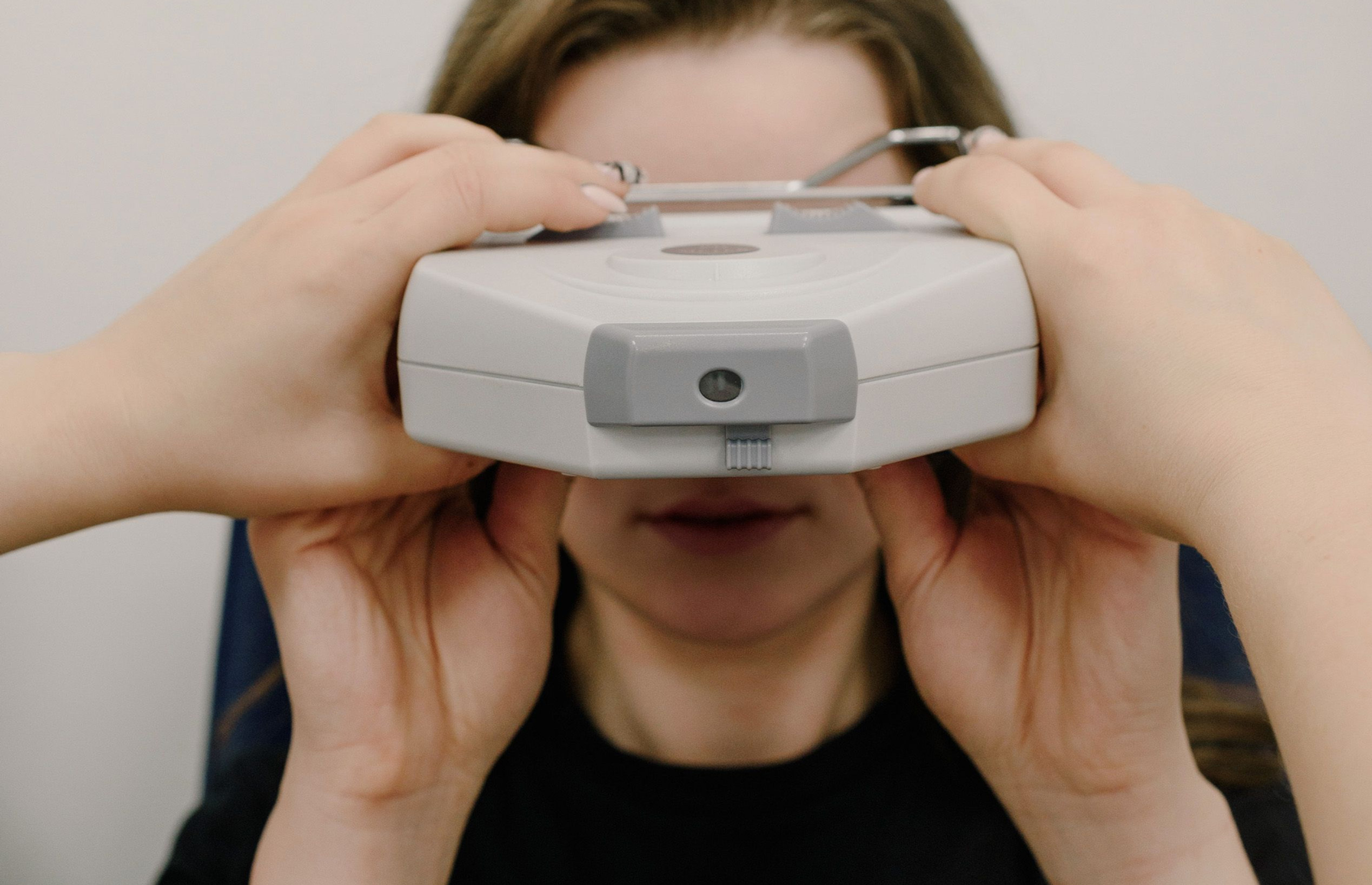
Yes. Dry eye is generally divided into two main types, although many people experience a combination of both.
Aqueous-deficient dry eye
This occurs when the tear glands do not produce enough of the watery component of tears to keep the eye's surface adequately lubricated.
Without enough moisture, the surface of the eye can become irritated and uncomfortable. Vision may also become blurry if the tear film is no longer smooth and stable.
Evaporative dry eye
This occurs when tears evaporate too quickly, often because the oil glands in the eyelids are not working properly.
The eyes may produce enough watery tears, but without a healthy oil layer, those tears do not remain on the surface for long enough. Meibomian gland dysfunction is a common cause of evaporative dry eye.
Can you have both types?
Absolutely. Many people have a combination of aqueous-deficient and evaporative dry eye, which is why identifying the underlying cause is important when choosing the right treatment.
What Are the Symptoms of Dry Eye, and How Does It Affect Your Vision?
Dry eye symptoms can vary from person to person. Some people mainly notice discomfort, while others are more troubled by blurry or fluctuating vision.
Common dry eye symptoms include:
Dry, gritty or sandy sensations in the eyes.
Burning, stinging or soreness.
Redness or irritation.
Eyes that feel tired, particularly at the end of the day.
Sensitivity to light, wind or air conditioning.
Blurry or fluctuating vision.
Difficulty wearing contact lenses comfortably.
Watery eyes, even though the underlying problem is dryness.
Why does dry eye cause blurry vision?
The tear film plays an important role in focusing light as it enters your eye. When the tear film becomes unstable, the smooth surface needed for clear vision is disrupted.
You might notice that your vision becomes blurry while reading, using a computer, driving or looking at something in the distance. Sometimes, blinking briefly clears your vision before the blurriness returns.
This is a common feature of dry eye: vision can fluctuate throughout the day as the tear film breaks up between blinks.
Can dry eye cause watery eyes?
Surprisingly, yes!
Some people with dry eye experience excessive watering. When the surface of the eye becomes irritated, it can trigger a reflex response that produces additional watery tears.
These reflex tears do not always contain the right balance of components to keep the eye's surface lubricated effectively. They may overflow before they can provide lasting relief. Watery eyes can also occur when the tear drainage system is not working properly. Excessive watering can blur vision and irritate the skin around the eyes.
If watering is persistent, an optometrist can help determine whether dry eye, eyelid problems or a drainage issue may be responsible.
Can Dry Eye Be Treated or Managed?

Yes. Although dry eye can be an ongoing condition, the right treatment and daily eye care routine can often improve comfort and help stabilise vision.
The best approach depends on what is causing your dry eye.
Lubricating eye drops
Artificial tears, also known as lubricating eye drops, help supplement your natural tears and keep the surface of your eye moist.
There are different formulations available, and some are better suited to particular types of dry eye. An optometrist can recommend suitable drops based on your symptoms and the condition of your eyes.
If you need drops frequently, preservative-free options may be more suitable.
Warm compresses for blocked oil glands
If your dry eye is associated with blocked or poorly functioning oil glands, warm compresses may help soften the oils within the glands and improve their flow.
A warm, clean compress can be applied to closed eyelids for several minutes, following the instructions provided by your optometrist or the compress manufacturer. The compress should be comfortably warm, never hot enough to burn the delicate skin around your eyes.
Gentle eyelid massage may sometimes be recommended after warming, but the technique matters. Avoid pressing hard on your eyeballs or forcefully squeezing your eyelids. Your optometrist can show you the safest technique for your particular condition.
Improving your everyday environment
Small changes to your daily routine may help reduce dry eye symptoms:
Take regular breaks from screens and consciously blink fully.
Avoid sitting directly in front of fans, heaters or air conditioning.
Consider a humidifier if your indoor environment is particularly dry.
Keep makeup and skincare products away from the eye's surface.
Clean your eyelids gently if advised by your eye care professional.
Follow recommended contact lens hygiene and wearing schedules.
What happens if dry eye is left untreated?
Mild dry eye may cause ongoing discomfort and fluctuating vision. More significant or persistent dry eye can lead to inflammation and damage to the surface of the eye, including the cornea.
This is why it is worth seeking professional advice if your symptoms are persistent, worsening or interfering with your everyday activities.
Sudden vision changes, severe eye pain, marked redness or light sensitivity should not automatically be attributed to dry eye and warrant prompt medical assessment.
if you are experiencing this, it's better to book in early with one of our optometrists here.
How Is Dry Eye Diagnosed?
An optometrist can assess your eyes to determine whether you have dry eye and identify factors contributing to your symptoms.
Your appointment may include questions about your symptoms, medical history, medications, contact lens use, and daily activities, including how much time you spend looking at screens.
Your optometrist may also examine:
The tear film: To assess how well tears cover the surface of your eye and how quickly the tear film breaks up.
The surface of the eye: To look for signs of irritation, inflammation, or damage.
The eyelids and oil glands: To check for blocked glands or signs of meibomian gland dysfunction.
Tear production: To determine whether your eyes produce an adequate amount of tears.
Depending on your symptoms, additional tests may include tear break-up time, special eye drops that highlight damage to the eye's surface, or measurements of tear production.
These assessments help your optometrist determine whether your dry eye is mainly caused by insufficient tear production, excessive tear evaporation, or a combination of both.
When should you see an optometrist?
If your eyes frequently feel dry, gritty, sore or tired, or if your vision repeatedly becomes blurry and clears after blinking, it is worth booking an eye examination.
An optometrist can help identify the cause of your symptoms and recommend an appropriate treatment plan. If you already have dry eye, follow-up appointments can help monitor your eye health and determine whether your treatment needs adjusting.
The frequency of monitoring depends on the severity of your dry eye, your symptoms, and the health of your eye's surface. Your optometrist can recommend a suitable review schedule.
Keep Your Eyes Comfortable and Your Vision Clear

Dry eye is more than just an uncomfortable feeling. When the tear film is not working properly, it can affect the clarity of your vision as well as the comfort and health of the surface of your eye.
The good news is that dry eye can often be managed with the right combination of lubricating drops, eyelid care and simple lifestyle changes.
If you are experiencing persistent blurry vision, watery eyes, irritation or discomfort, our optometrists can assess your tear film, identify the underlying cause and help you find the most suitable treatment for your eyes.


Comments